
One Drawer at a Time: A Summer Declutter Worth Doing
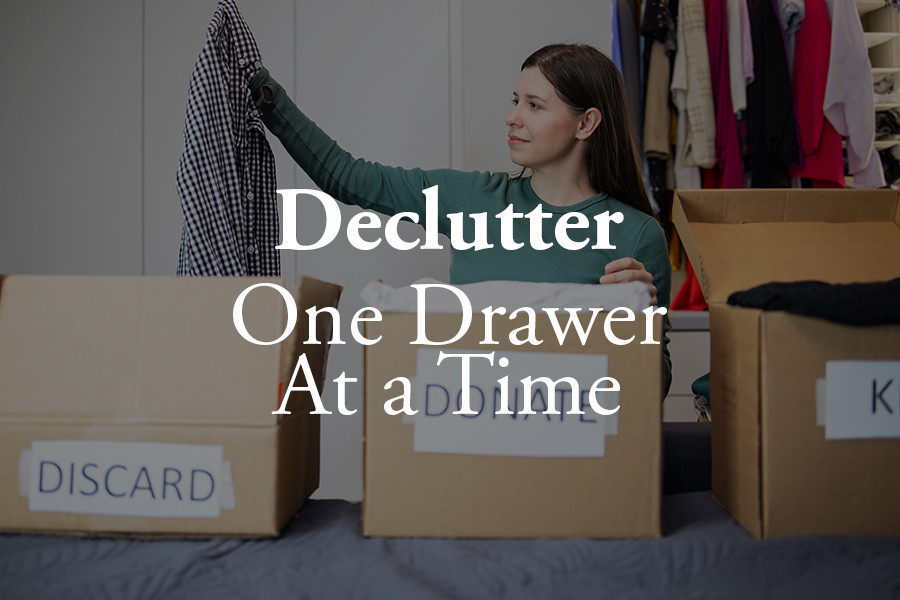
Clutter has a way of sneaking up on you. No single item is the problem, but somehow the counters fill up, the closets stop closing, and the garage becomes a place you park things instead of cars. The usual advice is to wait for a big spring cleaning or a move to deal with it, but that’s exactly why it never gets done. The truth is that the middle of summer, when the pace of life slows down a little, is a quietly perfect time for a reset that actually sticks. Here’s how to do it without burning a whole weekend or losing your motivation halfway through.
Start small enough that you can’t fail
The single biggest reason decluttering projects collapse is that people start too big. They decide to do the whole house, pull everything out of every closet at once, run out of steam by lunch, and end up with a bigger mess than they started with. Do the opposite. Pick one drawer, one shelf, one cabinet, and finish it completely before moving on. The momentum you get from one genuinely done space is worth more than three half-finished ones. Small and complete beats big and abandoned every single time, and you can always do another small thing tomorrow.

Use the four-box method
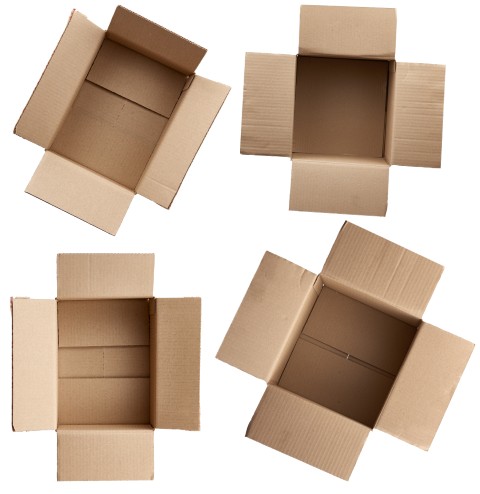
When you sit down to sort a space, give every item somewhere to go so nothing lands back where it started by default. Grab four containers and label them in your head: keep, donate, sell, and toss. Every single thing you pick up goes into one of the four, and the rule is that you have to decide right then. No maybe pile, because the maybe pile is where good intentions go to die. This simple structure turns a vague, overwhelming mess into a series of quick yes-or-no decisions, and it keeps you from the classic trap of just moving clutter from one room to another and calling it progress.
Ask better questions than “might I use this?”
Almost anything can be justified with “I might need it someday,” which is why that question keeps so much clutter in our lives. Swap it for sharper ones. When did I last actually use this? Would I buy it again today? If I needed one, could I borrow or replace it easily? Does it earn the space it takes up? For sentimental things, which are the hardest, remember that you can keep the memory without keeping every object attached to it, and sometimes a single photo of an item lets you let the item itself go. The goal isn’t a bare, empty house. It’s a home filled with things you actually use and love.

Target the spots that bug you most
You don’t have to declutter in any particular order, so start where you’ll feel it most. Everyone has those few problem zones that quietly drain energy every time you look at them. A few of the usual suspects worth tackling:
- The kitchen counters, where mail, keys, and random stuff pile up. Clear surfaces make the whole house feel calmer.
- The dreaded junk drawer, a fifteen-minute win that feels far more satisfying than it should.
- The front hall closet, usually stuffed with coats and shoes nobody has worn in years.
- The bathroom cabinets, full of expired products and samples you’ll never use.
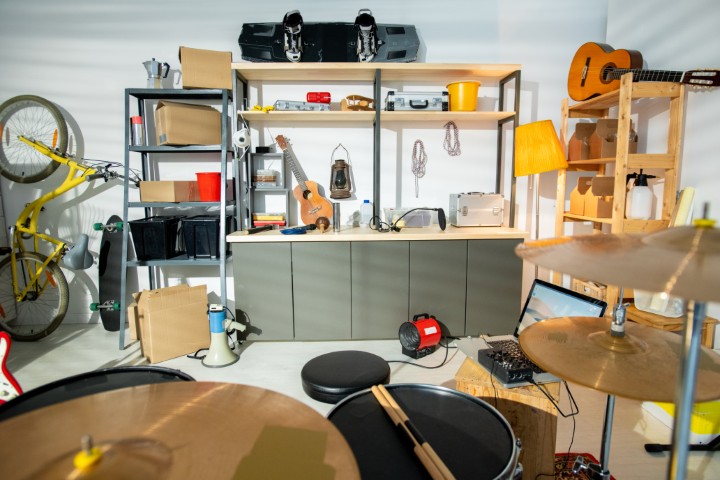
- The garage, summer being the one season you can actually pull everything out into the driveway to sort it.
Get it out of the house fast
Here’s the step people skip, and it’s the one that undoes all the work. The donate and sell boxes cannot sit in the garage for three months, because if they do, half of it quietly migrates back into the house. Put the donation load in your car the same day and drop it off within the week. Whatever you’re selling, list it right away or set yourself a short deadline, after which it becomes a donation too. The clutter isn’t truly gone until it has physically left your home. Finishing this last step is what separates a reset that lasts from one you’ll be redoing next summer.

Keep it from creeping back
A reset only sticks if a little clutter doesn’t immediately start rebuilding. A couple of easy habits do most of the work. Try the one-in-one-out rule, where a new item means an old one leaves, which keeps your total from quietly climbing. Do a five-minute tidy at the end of each day so small messes never become big ones. And put a recurring note on the calendar for a quick fifteen-minute declutter every month or so, hitting one small zone at a time. Maintenance is far easier than a full overhaul, and once you’ve felt what a clear space does for your head, you’ll want to protect it.
Decluttering isn’t really about having less. It’s about making room for the things, and the calm, that actually matter to you.
You don’t need a free weekend or a burst of superhuman motivation to start. Pick one drawer today, finish it, and notice how good that small win feels. That feeling is the whole engine. Follow it one small space at a time, and by the end of summer you’ll have a home that feels lighter, calmer, and genuinely yours again.

